
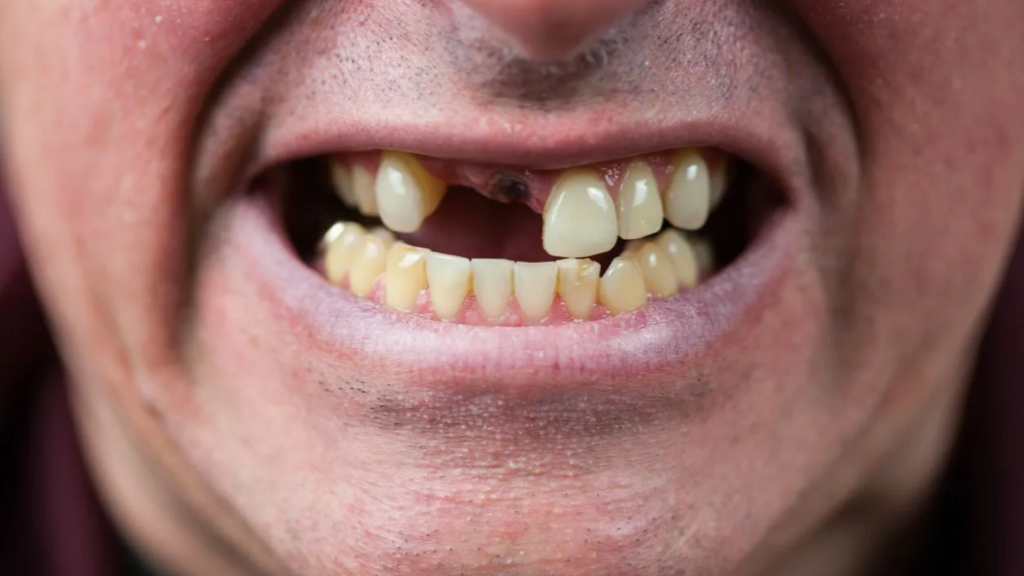
Most people think of a missing tooth as a cosmetic problem: an embarrassing gap in a smile. But tooth loss triggers a chain of consequences that goes far beyond appearance. It affects what you can eat, how you digest food, the structure of your face, and how you feel about yourself in social and professional situations.
Understanding what missing teeth actually do to your body isn’t meant to scare you. It’s meant to help you make an informed decision about whether and when to replace them. If you’re new to the topic, start with our overview of what dental implants are.
It Starts With Chewing, and It Affects Everything After
Your teeth are the first step in your digestive system. Each type of tooth has a specific job: incisors cut, canines tear, premolars crush, and molars grind. Lose even one molar and your chewing efficiency drops measurably. Lose several, and the impact becomes significant.
The Digestion Connection
When you can’t chew food thoroughly, larger food particles reach your stomach and intestines. Your digestive system has to work harder to break them down, which can lead to:
- Bloating, gas, and indigestion, especially with fibrous vegetables, raw fruits, and whole grains
- Reduced nutrient absorption: your body extracts fewer vitamins and minerals from poorly chewed food
- Acid reflux: swallowing larger pieces can trigger or worsen GERD symptoms
This isn’t theoretical. Studies show that people with fewer teeth consume less fiber, fewer vegetables, and fewer nutrient-dense foods, not because they choose to, but because they physically can’t chew them comfortably.
The Diet Shift
When chewing becomes difficult or painful, most people unconsciously shift toward softer, easier-to-eat foods: bread, pasta, processed meals, soups. These tend to be higher in refined carbohydrates and lower in the vitamins, minerals, and fiber that come from raw vegetables, fruits, nuts, and lean meats.
Over months and years, this dietary shift contributes to:
- Weight gain
- Nutritional deficiencies (particularly vitamins A, C, E, and fiber)
- Higher risk of cardiovascular disease and Type 2 diabetes
- Reduced energy and general health decline
Replacing missing teeth doesn’t just restore your smile. It restores your ability to eat the foods your body needs.
Jawbone Loss: The Hidden Consequence
When a tooth is lost, the jawbone in that area no longer receives the stimulation it needs to maintain itself. Within the first year, the bone in the extraction site can lose 25% of its width. Over several years, the bone continues to resorb, shrinking in both width and height. For a deeper look at this process, read what happens to your jawbone after losing a tooth.
This process, called resorption, doesn’t just affect future dental treatment options. It changes the shape of your face.
Facial Collapse
As the jawbone shrinks, the face loses its structural support. The visible signs include:
- Sunken cheeks: the cheekbones appear more prominent as the lower face recedes
- Wrinkled lips: the lips fold inward without underlying bone and tooth support
- A shorter face: the distance between nose and chin decreases
- A more aged appearance: patients often look 10–15 years older than their actual age
This process is gradual. Most people don’t notice it happening until they compare photos from a few years apart. And once bone is lost, it doesn’t grow back on its own. If you’ve already experienced bone loss, there are still options: see can you get implants with bone loss.
Dental implants are the only tooth replacement that stimulates the jawbone the way a natural tooth root does, which is why they’re the only option that actively prevents bone loss.
Teeth Shift: The Domino Effect
Your teeth exist in a carefully balanced system. Each tooth is held in position partly by the teeth next to it and the tooth it bites against. When one is removed, that balance breaks.
What Happens
- Adjacent teeth tilt into the gap, creating crooked alignment
- Opposing teeth over-erupt: the tooth above or below the gap grows longer because nothing stops it
- Bite changes: as teeth shift, your bite becomes uneven, putting excessive force on certain teeth
- TMJ problems: an uneven bite can lead to jaw joint pain, headaches, and clicking
These changes happen slowly, over months and years, but they’re progressive. What starts as one missing tooth can eventually affect the alignment and health of the entire arch.
Speech Changes
Teeth play a critical role in forming sounds. The front teeth are particularly important for “th,” “f,” “v,” and “s” sounds. Missing front teeth, or even missing molars that cause the remaining teeth to shift, can result in:
- Lisping or whistling sounds
- Difficulty pronouncing certain words clearly
- Slurred speech, especially when tired
- Self-consciousness about speaking in meetings, on the phone, or in social settings
Most patients don’t connect their speech changes to tooth loss until a dentist points it out.
The Emotional and Social Impact
This is the part that’s hardest to quantify, and often the most significant for patients.
Confidence and Self-Esteem
Research consistently shows that tooth loss has a measurable negative impact on self-esteem, social comfort, and quality of life. Patients with missing teeth report:
- Smiling less: covering their mouth when they laugh, avoiding photos
- Social withdrawal: declining invitations, avoiding eating in public
- Professional impact: feeling self-conscious in meetings, interviews, or presentations
- Relationship strain: intimacy and dating become sources of anxiety rather than enjoyment
You can see how patients feel after treatment in our smile gallery.
Mental Health
The link between tooth loss and mental health is well-documented. A 2021 study in the Journal of Dental Research found that adults with tooth loss had significantly higher rates of depression and anxiety than those with complete dentitions, even after controlling for age, income, and education.
This isn’t about vanity. It’s about how you feel navigating everyday life.
The Compounding Cost of Waiting
One of the most important things to understand about tooth loss is that the consequences compound over time:
| Timeframe After Tooth Loss | What’s Happening |
|---|---|
| 0–3 months | Neighboring teeth begin to shift; bone resorption starts |
| 3–12 months | Significant bone loss (up to 25% of width); bite changes begin |
| 1–3 years | Visible facial changes; diet shifts toward soft foods; further tooth damage from uneven forces |
| 3–5+ years | Advanced bone loss; facial collapse becomes noticeable; additional teeth may fail; replacement options become more complex and expensive |
The earlier you replace a missing tooth, the simpler, faster, and less expensive the treatment. Waiting doesn’t save money. It typically costs more in the long run. To understand the numbers, see our dental implant cost FAQs.
Your Replacement Options
If you’re missing one or more teeth, several replacement options exist, each with different trade-offs. Our full guide to missing tooth replacement options covers each in detail.
- Dental implants: the only option that replaces the tooth root, prevents bone loss, and functions like a natural tooth. Lasts decades with proper care.
- Dental bridges: a prosthetic tooth anchored to the teeth on either side of the gap. Doesn’t prevent bone loss; requires altering healthy teeth.
- Removable dentures: a cost-effective option for multiple missing teeth, but doesn’t prevent bone loss, can slip, and limits what you can eat.
- Implant-supported dentures: a middle ground, with dentures anchored to implants for stability and some bone preservation. See implant-supported dentures vs regular dentures.
For a detailed comparison, see our guide: Dental Implants vs Bridges vs Dentures: An Honest Comparison.
Take the First Step
If you’re living with one or more missing teeth, the best time to act is before the consequences compound further. A consultation at SmileOn includes:
- A full oral evaluation
- A 3D CT scan of your jawbone
- An honest discussion of which replacement option fits your situation, health, and budget
- A transparent, itemized treatment plan
The consultation is free. The conversation could change everything.
Book your free consultation or call (682) 563-5663.
SmileOn Locations:
- Mansfield: 3550 East Broad Street, Suite 112, Mansfield, TX 76063
- Arlington: 4010 N Collins St #104, Arlington, TX 76005
- Irving: 2932 N. Belt Line Rd., Irving, TX 75062
Frequently Asked Questions
What happens if you don’t replace a missing tooth? The jawbone in that area begins to shrink, neighboring teeth shift into the gap, your bite changes, and the opposing tooth can over-erupt. Over time, this can lead to further tooth loss, facial changes, dietary restrictions, and increased treatment costs.
Can missing teeth cause digestive problems? Yes. Incomplete chewing sends larger food particles to the stomach and intestines, which can cause bloating, gas, indigestion, and reduced nutrient absorption. People with missing teeth also tend to avoid fibrous and nutrient-rich foods that are harder to chew.
Do missing teeth make you look older? Yes. As the jawbone shrinks after tooth loss, the face loses structural support, leading to sunken cheeks, wrinkled lips, and a shorter lower face. This can make a person appear 10–15 years older.
How soon should you replace a missing tooth? As soon as possible. Bone loss begins within weeks of tooth extraction and accelerates over the first year. Early replacement preserves bone, prevents teeth from shifting, and keeps treatment simpler and less costly.
What is the best way to replace a missing tooth? Dental implants are considered the gold standard because they replace the tooth root, prevent bone loss, and last decades. Bridges and dentures are alternatives, but neither prevents jawbone resorption. More answers are in our dental implant FAQs.
Can missing back teeth affect your health? Yes. Molars do most of the grinding work in chewing. Missing back teeth significantly reduce chewing efficiency, force dietary changes, and can cause the remaining teeth to shift and wear unevenly.